In hospital environments where every second counts, the availability and visibility of medical equipment directly impact patient outcomes. Delayed or missing equipment—whether it’s an infusion pump, a portable imaging device, or a wheelchair—can hinder care delivery, cause procedural delays, and elevate stress for healthcare staff. With lives on the line, efficient management of critical assets is not just a logistical challenge—it’s a matter of patient safety and operational excellence.
Healthcare asset tracking offers a scalable solution to minimize equipment loss, improve resource utilization, and streamline clinical workflows. By leveraging technologies like Bluetooth Low Energy (BLE) tags, hospitals can gain real-time visibility into the location and status of essential devices, reduce search times, and optimize maintenance schedules. This proactive approach ensures assets are where they need to be when they’re needed most, empowering healthcare providers to focus on delivering exceptional patient care.
This guide is designed for healthcare administrators, IT teams, and clinical operations leaders exploring or evaluating asset tracking systems. You’ll discover the key benefits of implementing these solutions, practical steps for deployment, and best practices to ensure success—all illustrated with real-world examples and industry insights.
What Is Healthcare Asset Tracking?
Healthcare asset tracking refers to the use of digital technologies, such as Bluetooth Low Energy (BLE) tags or RFID, to monitor the real-time location, status, and usage of medical equipment and devices within hospitals or care facilities. This technology enables healthcare providers to locate critical assets quickly, ensure proper utilization, and streamline operations to improve patient care.
The primary purpose of healthcare asset tracking is to reduce equipment loss, optimize asset utilization, and boost staff productivity by minimizing time spent searching for devices. It is a specialized subset of Real-Time Location Systems (RTLS), tailored specifically to meet the unique needs of clinical environments. By centralizing asset visibility, hospitals can reduce costs, increase efficiency, and ensure that life-saving equipment is always available when and where it is needed most.
Core Components Of Healthcare Asset Tracking Systems
- Tags: Tags, such as Bluetooth Low Energy (BLE) or RFID, are small devices affixed to medical equipment like IV pumps, monitors, and wheelchairs. They transmit a unique signal to indicate the real-time location and status of the tagged item. These low-power tags are designed for long-term use and seamless integration with tracking systems.
- Sensors/Readers: Sensors or readers are typically deployed throughout the facility to detect signals from BLE or RFID tags. They identify the proximity, movement, or current location of equipment within their range. Readers can be standalone devices or integrated into existing infrastructure, such as WiFi access points.
- Software Platform: The software platform provides a centralized dashboard to visualize equipment location, usage patterns, and inventory status in real time. It offers historical data for maintenance tracking, optimization insights, and workflow automation. The system integrates with hospital management platforms to enable seamless operational oversight and reporting.
Types of Healthcare Asset Tracking Technologies
Hospitals can choose from various asset tracking technologies based on their budget, existing infrastructure, and accuracy requirements. Many facilities use a mix of systems to balance cost efficiency and operational effectiveness, ensuring all equipment is monitored appropriately. Below is an overview of popular tracking technologies.
Barcode Systems
Barcode tracking involves labeling equipment with unique barcodes that staff manually scan using handheld readers. Each scan records critical asset information, such as its location or status, within a database. Barcodes are widely used due to their low cost, ease of deployment, and simple training requirements, making them ideal for hospitals looking for an affordable solution.
However, barcode systems come with significant limitations. Since equipment must be manually scanned, the process is prone to human error and lacks real-time visibility. Staff may face delays locating items, which impacts operational efficiency. Additionally, the need for line-of-sight during scans can create bottlenecks in tracking workflows.
Example: During annual infusion pump audits, staff locate and manually scan pumped devices, often spending hours ensuring every unit is accounted for across departments—a labor-intensive but necessary process to update inventory records.
RFID Systems
RFID (Radio-Frequency Identification) relies on tags attached to equipment and RFID readers positioned throughout the facility to identify assets automatically. This technology offers semi-real-time tracking with the ability to detect tagged items even without line-of-sight, making it more automated than barcode systems.
The primary limitation of RFID systems is the additional infrastructure costs. Hospitals must invest in dedicated RFID readers and tagging systems, which may require thoughtful budgeting and planning, especially for larger facilities. While passive RFID tags tend to be more cost-efficient, they depend on strategically placed readers to maintain accuracy and coverage.
Example: A hospital uses passive RFID tags attached to ventilators, paired with hallway-mounted readers, to track movement between departments during critical patient transfers. This ensures timely access to equipment and prevents loss.
BLE/Wi-Fi Systems
BLE/Wi-Fi tracking solutions use BLE tags affixed to medical equipment and Wi-Fi access points to deliver continuous, real-time tracking. These systems provide room- or zone-level accuracy, are highly scalable across multiple buildings or campuses, and often leverage existing Wi-Fi infrastructure, minimizing additional overhead costs.
However, BLE/Wi-Fi systems require reliable and consistent Wi-Fi coverage to maintain tracking accuracy. Additionally, management of tag battery life becomes critical to ensure seamless operation, as dead batteries can disrupt asset monitoring.
Example: During emergencies, a hospital can instantly locate a tagged crash cart using Cisco Spaces integrated with its Meraki Wi-Fi network. Real-time location data helps clinical staff respond faster, saving critical time when patient lives are at stake.
Why Hospitals Struggle With Tracking Critical Equipment
Hospitals often rely on manual logs, spreadsheets, and fragmented communication systems to monitor medical equipment, which leads to inefficiencies and confusion. Without accurate, centralized tracking, staff may unintentionally hoard equipment out of fear of shortages, misplace devices, or struggle to locate critical tools during emergencies. For instance, a nurse might stockpile infusion pumps in a storage room, worried there won’t be enough available for upcoming shifts, which exacerbates equipment bottlenecks.
Common Breakdowns in Equipment Tracking:
- Delayed returns: Equipment is not promptly returned to storage or appropriate departments.
- Unchecked usage: Devices are taken without proper documentation or tracking.
- Shift handoff gaps: Poor communication during shift changes leads to lost visibility of important equipment.
- Inaccurate inventory audits: Manual counts fail to reflect the true location or status of assets.
- High staff turnover: Frequent onboarding of new employees can disrupt knowledge transfer and tracking consistency.
Key Benefits Of Using Healthcare Asset Tracking Systems
Healthcare asset tracking systems offer hospitals transformative advantages by providing real-time visibility, optimizing resource utilization, enhancing maintenance and compliance, and protecting against loss or theft. These systems, powered by technologies such as BLE, Wi-Fi, RFID, or hybrid RTLS, significantly improve operational efficiency, patient care, and cost management across a facility’s ecosystem.
Real-Time Visibility
Asset tracking systems enable hospitals to instantly locate and monitor critical equipment, from IV pumps to crash carts, reducing time wasted searching for devices. Using BLE or Wi-Fi tags combined with cloud-based dashboards, hospitals achieve centralized visibility across floors, departments, or campuses, ensuring assets are always accessible—even remotely. Healthcare staff can locate equipment in under 30 seconds, compared to 15+ minutes manually searching, eliminating delays and improving patient response times. Real-time visibility also enhances staff satisfaction by easing the burden of locating tools during high-pressure situations.
These systems provide vital insights into patient movement, room occupancies, and device readiness, delivering operational agility. For example, real-time dashboards allow admissions staff to identify available beds instantly, streamlining transfers and reducing wait times for incoming patients.
Use Cases:
Patient tracking: Care teams in busy hospitals can track patient movement to quickly locate them for diagnostic procedures or reduce unnecessary delays.
Bed availability tracking: Admissions teams and patient coordinators can view open/occupied beds instantaneously to optimize transfers.
Emergency equipment readiness: Staff can locate crash carts or defibrillators within seconds during life-critical events, ensuring rapid emergency care.
Smarter Utilization
Healthcare asset tracking systems collect valuable data on device usage frequency, location, and duration, enabling hospitals to identify idle, underused, or hoarded assets. This insights-driven approach helps redistribute resources based on actual usage patterns, preventing overspending on unnecessary equipment purchases. For example, if 30% of wheelchairs in one department remain unused while another department constantly requests extras, the system can guide cross-department redistribution to address demand more effectively.
Smarter utilization translates into cost savings, streamlined operations, and improved service availability. Hospitals can analyze usage histories to understand which devices are genuinely necessary, reduce waste, and eliminate inefficiency to better serve patients.
Use Cases:
Device monitoring: Operations teams can assess the usage patterns of portable ultrasound units and reallocate underutilized devices to departments with higher demand.
Rental equipment management: Track utilization of leased pumps or ventilators to avoid overpaying for underused rentals.
Surgical suite optimization: Monitor how often OR equipment (e.g., anesthesia machines or scopes) is rotated, reducing idle time and enabling better scheduling.
Maintenance & Compliance
Asset tracking systems bolster equipment maintenance by providing automated logs and reminders for preventive checks, calibration schedules, and safety inspections. They simplify compliance by tracking usage data, cleaning cycles, and inspection histories, significantly reducing manual tracking burdens. Hospitals can maintain records to meet standards set by Joint Commission, HIPAA, or ISO, minimizing the risk of audit penalties. Leading platforms, like Cisco Spaces, even generate audit-ready documentation without needing extra hardware or manual data entry.
Additionally, these systems alert staff to environmental risks by monitoring temperature, humidity, or other critical factors using BLE sensors, ensuring sensitive equipment and supplies remain in regulated conditions.
Use Cases:
Environmental monitoring: BLE-enabled tags can track temperature and humidity in vaccine refrigerators or blood storage units, alerting staff if readings fall out of range to prevent spoilage.
Sterilization cycle tracking: Log when surgical instruments or scopes were cleaned, stored, or reissued to improve compliance with sterilization protocols.
Calibration scheduling: Receive auto-reminders for devices like infusion pumps or imaging machines that require routine calibration checks.
Loss & Theft Prevention
Healthcare asset tracking reduces equipment loss and theft by offering constant monitoring and alerting features. Hospitals can leverage geofencing, unauthorized movement alerts, and access restrictions to protect high-value equipment. For example, the system can trigger an alert if a costly surgical tool exits a designated wing or is left idle in an unsecured hallway for too long, allowing rapid intervention before the asset is lost permanently.
This level of control ensures critical resources remain accounted for, minimizing disruptions to patient care and preserving hospital investments. Whether safeguarding IT devices or monitoring pharmacy inventories, real-time tracking prevents waste and enhances accountability.
Use Cases:
IT asset tracking: Track tablets, laptops, or diagnostic computers often misplaced in large hospital campuses.
Pharmacy inventory protection: Secure and monitor high-value medications or controlled substances leaving storage areas.
Unauthorized movement alerts: Configure alerts for surgical tools or other critical assets when moved outside restricted zones.
How To Implement Healthcare Asset Tracking Step by Step
Implementing healthcare asset tracking requires careful planning to align technology with operational needs while ensuring scalability and staff adoption. By following a step-by-step approach, hospitals can optimize workflows, improve equipment utilization, and prevent misplacement or theft.
1. Conduct A Needs Assessment
Evaluate which assets to track first by analyzing factors such as volume, cost, and clinical criticality. Focus on equipment that is frequently misplaced, hoarded, or responsible for delays during care delivery. Prioritizing highly utilized or expensive assets ensures the greatest return on investment.
Key Questions to Ask:
Which assets are most frequently misplaced?
What equipment is often hoarded by staff?
Where do delays in locating assets cause downstream impacts (e.g., operational or clinical workflows)?
How often are you over-purchasing or reordering assets unnecessarily?
2. Choose The Right Tracking Technology
Select the tracking technology (BLE, RFID, or Wi-Fi-based solutions) based on your hospital’s layout, accuracy needs, and existing infrastructure. BLE and Wi-Fi systems typically integrate with Cisco/Meraki networks, reducing upfront costs if such infrastructure already exists. Consider the ability to scale the solution across floors, departments, or campuses over time.
Key Considerations:
Does your hospital require room-level accuracy or broader zone-level tracking?
Can the solution leverage existing network infrastructure?
Is the system scalable enough to meet future expansion needs without costly upgrades?
3. Train Staff & Roll Out in Phases
Staff buy-in is critical for successful implementation, especially among clinical workers who frequently interact with tracked equipment. Start with a phased rollout in high-priority areas, such as the ED or ICU, where delays or equipment shortages significantly affect patient care, before expanding hospital-wide.
Tips for Training Programs:
Develop onboarding materials that outline system functionality and benefits.
Provide visual job aids, such as step-by-step guides or cheat sheets, accessible during shifts.
Conduct live demonstrations to give staff hands-on experience and a chance to ask questions.
4. Safeguard Data Security & Privacy
Healthcare tracking systems must comply with HIPAA regulations when tracking assets tied to patient or staff interactions. Implement role-based access controls to ensure that only authorized personnel can view sensitive data. Use encryption for location and asset data to prevent unauthorized access, and follow network isolation best practices to protect system integrity.
Key Security Practices:
Assign role-based permissions based on staff responsibilities.
Encrypt all location and tracking data shared on the network.
Choose vendors with verified security certifications, such as HITRUST or ISO 27001.
5. Ensure Scalability & Integration
Select systems designed for scalability, allowing gradual expansion by building, department, or floor. Prioritize solutions with integration readiness for EMR/EHR platforms, enabling asset status, location tracking, and maintenance data to directly update patient care workflows. Begin with small pilots to assess infrastructure compatibility and budget required for full deployment.
Implementation Guidelines:
Start with a pilot phase to refine adoption strategies and address challenges.
Expand tracking gradually based on funding and operational priorities.
Expect cost tiers to vary widely, with pilots typically costing less than full deployment across multiple campuses.
Future Trends In Hospital IoT & Asset Automation
Looking ahead, advancements in IoT and asset automation are poised to revolutionize hospital operations and patient care. Emerging technologies, such as AI-driven analytics and integrations with digital health initiatives, will further enhance efficiency, cost management, and clinical coordination.
AI-Driven Predictive Analytics
Artificial intelligence is unlocking new possibilities for predictive maintenance by analyzing usage and performance data to anticipate when assets are likely to fail or require servicing. For example, an AI-enabled system could monitor an IV pump’s recent usage patterns and trigger a service alert before a breakdown occurs, preventing interruptions in patient care. While this is still an emerging technology, its potential to reduce unplanned downtime and improve asset lifecycle management makes it highly promising for hospitals seeking proactive solutions.
Important to note is that widespread adoption will take time, as these systems require high-quality data collection and consistent operational inputs to deliver accurate predictions reliably.
Integration With Digital Health Initiatives
Real-time asset tracking systems increasingly contribute to broader digital health initiatives, such as telehealth, remote patient monitoring, and hospital-at-home care delivery models. For instance, hospitals leveraging IoT tracking can identify mobile vitals kits and ensure their availability for a discharged patient’s home visit, improving care transitions.
By providing key data on asset location and readiness, tracking systems enhance operational planning and clinical coordination, enabling hospitals to extend care beyond their physical walls. These technologies are key enablers of seamless, patient-centered care delivery that integrates virtual and on-site services effectively.
Transform Your Hospital Operations With Smart Asset Tracking from Cisco Spaces
Transform your hospital’s operations with Cisco Spaces, a cutting-edge asset tracking solution that redefines operational efficiency and patient care. By leveraging IoT-enabled asset tags and real-time analytics, Cisco Spaces ensures the seamless tracking of critical medical equipment, improves resource utilization, and enhances patient safety. From preventing asset loss to streamlining hospital workflows, this technology drives data-driven decision-making to boost operational outcomes while reducing costs.
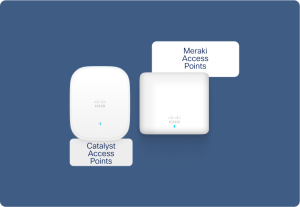
Cisco Spaces uniquely utilizes your existing Cisco infrastructure, such as Catalyst or Meraki hardware, to eliminate the need for complex and costly BLE gateway installations. This approach ensures a seamless deployment with significantly lower total cost of ownership (TCO), empowering hospitals to unlock the full potential of their networks while optimizing workflows and resource management.
Ready to discover the future of smart healthcare? Explore the transformative capabilities of Cisco Spaces by taking the Cisco Spaces Product Tour and see how your hospital can drive better outcomes today.