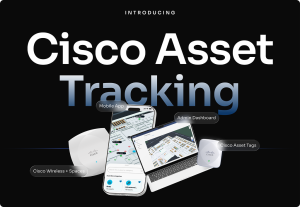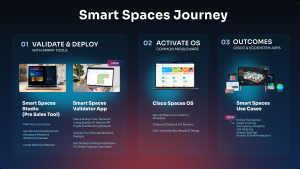
In today’s fast-paced and competitive environment, organizations face increasing pressure to optimize space utilization, enhance asset management, and ensure employee safety across facilities. Whether it’s a manufacturing plant, healthcare institution, or corporate office, leaders are tasked with finding solutions that drive operational efficiency without overburdening limited resources. Effective space planning, asset tracking, and personnel monitoring are no longer optional. They are integral parts of remaining agile in a constantly evolving business landscape. Real-Time Location Systems (RTLS) powered by Wi-Fi offer a cutting-edge solution for these challenges. They leverage an organization’s existing wireless infrastructure to provide actionable, real-time location insights. These systems use Wi-Fi-enabled devices, such as tags, badges, and smartphones, to track assets, monitor the flow of people, and gather data to optimize operational performance. For IT, facilities, and operations teams, RTLS Wi-Fi presents a strategic opportunity to harness the full potential of their network investments.
What Is RTLS Wi-Fi for Indoor Tracking?
Real-Time Location Systems (RTLS) Wi-Fi is a technology that utilizes Wi-Fi access points to detect and triangulate the location of broadcasting or connected devices, such as smartphones, laptops, and BLE (Bluetooth Low Energy) tags. By analyzing the signal strength (RSSI) and leveraging triangulation methods, RTLS Wi-Fi can pinpoint the position of these devices within a building or campus environment. The system relies on location data gathered from these devices and processes it through cloud-based location engines. This delivers actionable insights for tracking, monitoring, and optimizing physical spaces.
Unlike BLE-only or RFID systems, RTLS Wi-Fi does not require organizations to deploy entirely new hardware for tracking purposes. Instead, it leverages the existing Wi-Fi infrastructure already in place. This makes it a cost-effective and scalable solution for indoor tracking across large facilities. Devices, either Wi-Fi enabled or broadcasting location data via tags, interact with nearby access points, which relay their signals to a centralized RTLS platform for processing. This integration between devices, access points, and the cloud ensures seamless tracking with minimal operational disruption.
How WiFi RTLS Works in Modern Environments
A Wi-Fi RTLS system gathers data from access points and determines the location of individual wireless devices within the building. It provides contextual data on device usage, as well as real-time location information. It uses algorithms to map asset location. This makes it easy for IT teams to visualize where devices are in real-time and also analyze historical usage patterns. Historic data can be used to help businesses make informed decisions on preventing loss of assets and devices.
RSSI Explained
Received Signal Strength Indicator (RSSI) measures the strength of a signal received by a Wi-Fi access point from a device. The closer a device is to an AP, the stronger its signal will appear, and weaker signals indicate greater distance. In Wi-Fi RTLS, this measurement is crucial for estimating device proximity to access points, particularly in locations like corporate offices, hospitals, or university campuses where tracking is critical.
Triangulation Process
The triangulation process in RTLS involves using signal strength data from multiple access points to calculate a device’s location based on overlapping signal ranges. The steps are as follows:
- A tracked device, such as a laptop or BLE tag, periodically broadcasts a signal.
- Multiple Wi-Fi access points detect the signal and log the RSSI values.
- The RTLS engine analyzes the signal strengths to estimate the device’s distance from each access point.
- Using trilateration, similar to GPS, the system calculates the most likely location of the device on the map.
- The system plots this location in real time and can also trigger automated actions, such as alerts or zone activity logs.
This process is typically continuous and passive, requiring no active involvement from the device user.
Typical Accuracy Range
Wi-Fi-based RSSI triangulation generally achieves zone-level accuracy, ranging from 2–5 meters depending on factors like building layout, Wi-Fi access point density, and interference levels. This level of precision is adequate for most enterprise applications, such as IT asset tracking, occupancy monitoring, safety compliance, and workforce optimization. For environments requiring even greater precision, hybrid tracking solutions that combine BLE and Wi-Fi (e.g., Cisco Spaces) can enhance room-level accuracy, especially in densely populated spaces.
Key Benefits of RTLS WiFi for Modern Organizations
Real-Time Visibility Without New Hardware
Wi-Fi-based RTLS utilizes existing wireless infrastructure, such as Cisco Meraki or Catalyst access points, to enable location tracking without requiring additional hardware investments. By leveraging the devices already in place, organizations can achieve significant cost savings and avoid the complexity of deploying new tracking systems. This approach is particularly appealing for enterprises looking to quickly roll out scalable tracking solutions across multiple buildings or campuses.
Improved Asset Tracking and Utilization
RTLS Wi-Fi provides an efficient way to monitor IT assets like laptops, AV equipment, medical devices, tools, and other valuable resources. This eliminates common issues such as asset loss, underutilization, or equipment hoarding, ensuring organizations always know where critical tools are located. For example, hospitals can use Wi-Fi RTLS to locate medical devices instantly, optimizing usage and keeping workflows running smoothly.
Space Optimization & Occupancy Monitoring
Facilities teams can use RTLS Wi-Fi to analyze space usage effectively and make data-driven decisions. For example, it can identify underused meeting rooms, validate office reconfigurations, or highlight areas where downsizing could reduce overhead costs. By visualizing occupancy trends in real-time and reviewing historical usage, businesses can redesign their environments to better match employee needs and maximize the return on office space investments.
Enhanced Safety & Compliance
Real-time location awareness improves emergency response capabilities by identifying the last-known location of employees or visitors during evacuations. Furthermore, it helps organizations meet compliance requirements by ensuring workplace safety, tracking employees in high-risk environments, or maintaining detailed logs for regulatory audits. For example, manufacturing teams could track the movements of workers near hazardous zones to ensure proper safety protocols are being followed.
Seamless Integration With Existing IT Infrastructure
RTLS Wi-Fi integrates seamlessly with Cisco networking infrastructure, identity platforms like Cisco ISE, and third-party tools for extended capabilities. This allows centralized management, reduces the need for additional vendors, and ensures consistent security policy enforcement across the organization. For instance, location tracking can be combined with identity-based access control to enhance security and operational efficiency without creating siloed systems or additional overhead.
Implementation Considerations: Costs and Complexity
While using existing Wi-Fi infrastructure reduces hardware expenses, the implementation still requires software licensing, configuration of RTLS features, and integration with existing systems. Organizations should also consider access point density and building layouts for optimal accuracy. While initial setup may involve moderate complexity, the long-term benefits of improved visibility and operational insights typically outweigh the upfront investment costs.
Limitations of RTLS WiFi
While Wi-Fi-based RTLS is a powerful tool for many enterprise use cases, it comes with technical and environmental limitations that organizations should consider. One of the primary drawbacks is its zone-level accuracy, typically ranging from 2–5 meters, which may not meet the needs of applications requiring sub-room or high-precision tracking. Additionally, Wi-Fi RTLS systems lack native vertical (Z-axis) resolution, meaning they have trouble distinguishing between floors without supplemental data. This can pose challenges for multi-story buildings where floor-specific tracking is critical.
Environmental factors like signal interference caused by dense walls, metallic surfaces, or glass structures can also reduce tracking accuracy in some settings. Furthermore, Wi-Fi RTLS has limited visibility for devices that are not actively connected to the Wi-Fi network, such as powered-off laptops or non-electronic assets, unless they are equipped with BLE (Bluetooth Low Energy) tags. For organizations that need enhanced precision or the ability to track unconnected items, BLE hybrid solutions—such as Cisco Spaces—can complement Wi-Fi RTLS by enabling room-level accuracy and tracking non-connected devices. By acknowledging these limitations and offering hybrid approaches, Cisco provides a transparent and solution-focused strategy to address a wide range of enterprise needs while setting realistic expectations for RTLS performance.
Real-World Applications of RTLS Wi-Fi
IT Asset Tracking in Workplaces and Campuses
Organizations use Wi-Fi location telemetry to track valuable IT assets like laptops, tablets, and AV equipment. This enables loss prevention, real-time retrieval, and smoother inventory audits by providing detailed insights into asset locations across large campuses or office spaces. Businesses can reduce downtime and improve asset utilization through proactive tracking.
Occupancy Analytics in Corporate Offices
RTLS Wi-Fi measures space utilization by analyzing anonymized device counts and movement patterns. This allows facilities teams to optimize office layouts, plan cleaning schedules more efficiently, and reduce energy usage by tailoring HVAC and lighting systems to actual occupancy trends. The data supports smarter facility planning and workplace management.
Patient & Staff Location in Healthcare
Healthcare organizations rely on Wi-Fi tags attached to staff badges or patient wristbands for real-time location tracking. This visibility enhances workflow efficiency, improves patient response times, and ensures greater safety for both patients and providers, particularly in emergency or high-risk scenarios.
Visitor Behavior Insights in Retail Environments
Retailers use RTLS Wi-Fi to analyze visitor foot traffic patterns, dwell times, and queue congestion. These insights can be integrated with marketing tools and in-store engagement platforms like Cisco Spaces to create personalized experiences, optimize store layouts, and achieve better customer flow management for higher sales and satisfaction.
How To Implement RTLS Wi-Fi
Implementing RTLS Wi-Fi involves several key steps to ensure a successful rollout and fully leverage the technology’s benefits.
1. Audit Existing Wi-Fi Infrastructure
Begin by assessing your current Wi-Fi access points to ensure they support RTLS capabilities, such as those available with Cisco Meraki or Catalyst APs. Identify any blind spots or coverage gaps in the network that could impact tracking accuracy and address these areas before proceeding with the rollout.
2. Define Use Cases & Zones
Clearly define the specific use cases and zones you will be tracking, such as meeting rooms, labs, or high-value asset storage areas. Align your tracking goals with measurable business outcomes to ensure the investment adds value, such as improving asset utilization, enhancing safety, or optimizing space usage.
3. Configure Tagging & Data Sources
Determine which items will be tracked and how, whether they are connected devices or tagged assets. Use Wi-Fi tags or BLE + Wi-Fi combo tags for non-connected items. Cisco Spaces can support both BLE and Wi-Fi signals as data inputs, providing flexibility in your tagging approach and ensuring comprehensive tracking coverage.
4. Integrate With Existing Platforms
Integrate your RTLS Wi-Fi system with other critical platforms like Cisco ISE for identity management, EHR systems in healthcare, building management systems, or custom analytics dashboards. Choosing platforms that support open APIs will facilitate interoperability and streamlined data flow across your organization.
5. Monitor, Optimize & Expand
Start with a limited pilot project to gather initial insights and make necessary adjustments. Set up alerts, reporting dashboards, and automated rules to act on the location data you collect. Based on the results from your pilot, expand the system incrementally and continuously optimize it to enhance accuracy and utility. This ongoing process helps in fine-tuning the deployment, ensuring it meets the organization’s needs effectively.
Workplace Device Tracking With Cisco Spaces’ Detect & Locate App
Cisco Spaces offers a comprehensive solution for workplace device tracking with the Detect & Locate app. It leverages existing Cisco infrastructure to provide real-time and historical location data of all wireless devices on a network.
Detect & Locate allows IT teams to track devices without BLE (Bluetooth Low Energy) or IoT (Internet of Things) beacons and tags. It is designed to be easy to deploy and can be used without requiring any additional hardware. The app also displays heat maps of connected devices.
In addition to serving as a valuable tool for workplace device tracking, Detect & Locate has other benefits:
- Rogue device detection: The app monitors the network and flag rogue devices or APs that are not authorized by IT.
- Labeling and grouping devices: Using Detect & Locate, IT teams can label and categorize assets/devices across buildings (e.g., HR department’s iPad).
- Heat maps: Using heat maps, IT teams can visualize the real-time location of devices on a map. They can also identify areas within the building where assets are concentrated.
- Historical data: The app provides historical data insights that can be used to optimize operations and follow a data-driven approach to device management.
Explore Scalable RTLS With Cisco Spaces
RTLS Wi-Fi provides organizations with a scalable, cost-effective solution to track people and assets by leveraging their existing Cisco Meraki or Catalyst Wi-Fi infrastructure. This cutting-edge technology eliminates the need for complex hardware rollouts, making it easier for businesses to implement asset tracking, occupancy monitoring, and location-based automation with minimal upfront costs. Organizations across industries can unlock real-time visibility into their buildings while maintaining operational simplicity and maximizing the value of their current network investments.
Cisco Spaces revolutionizes how businesses approach space planning, asset control, and workplace safety by transforming Cisco access points (Wi-Fi 6 and above) into IoT gateways. The platform enables better resource utilization for hybrid workplaces, improved safety monitoring, and enhanced environmental tracking. Additionally, Cisco Spaces has flexible integrations and a full-stack open framework, allowing businesses in healthcare, retail, manufacturing, and more to deliver data-driven outcomes across multiple verticals—all without the need for additional gateways or complicated deployments.
Learn how Cisco Spaces IoT services uses your Cisco Meraki or Catalyst Wi-Fi infrastructure to deliver real-time asset tracking, occupancy analytics, and location-based automation, with no additional hardware required. Take the Cisco Spaces Product Tour.